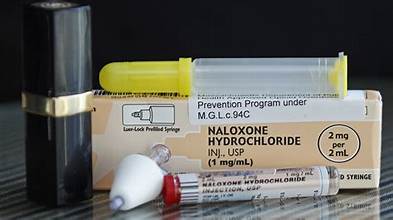
We tell people to titrate naloxone to respirations. Just give enough to enable the person to breathe on their own. If you give them too much, you can put them into precipitated withdrawal. In other words, by knocking the opioids out of their system, you make those dependent on opioids sick. You are in terrible pain, many vomit. The heart rate increases, they are irritable, they feel like shit. Better to just get them back breathing on their own.
Unfortunately, too many equate reversing an overdose to bringing the person back to walking and talking. Someone who is not fully responsive but breathing is not really overdosed, they are just dosed as some like to say. They are not going to die. No need to have them talking, much less walking.
As a paramedic, I give just a small amount, and breathe for the person with a bag-valve mask until the naloxone takes effect. I try to give so little that when the person finally does come around and opens their eyes, they don’t even know they have gotten naloxone.
There is a new drug being mixed in with fentanyl in the Northeast. Medetomidine, a potent animal tranquilizer. It seems to be replacing xylazine, another animal tranquilizer, which also had the unpleasant side effect of nasty skin wounds, which are believed to be caused by xylazine’s interference with the skin’s oxygen uptake. The downside with medetomindine is both more sedating which tends to cause many to overadminister the naloxone, chasing an awake response. It can also cause bradycardia and hypotension, although most of the cases of this I have seen have been asymptomatic. A big problem does come when medetomidine wears off. It can lead to severe withdrawal characterized by tachycardia and hypertension among other effects.
Here is a great link to a post about medetomidine that explains the physiology:
What I liked best about the post was the phrase, “Stop chasing wakefulness,” when administering naloxone. I think that is more descriptive and understandable than “titrate naloxone to respirations.”