1. Fatal Overdoses are Down.
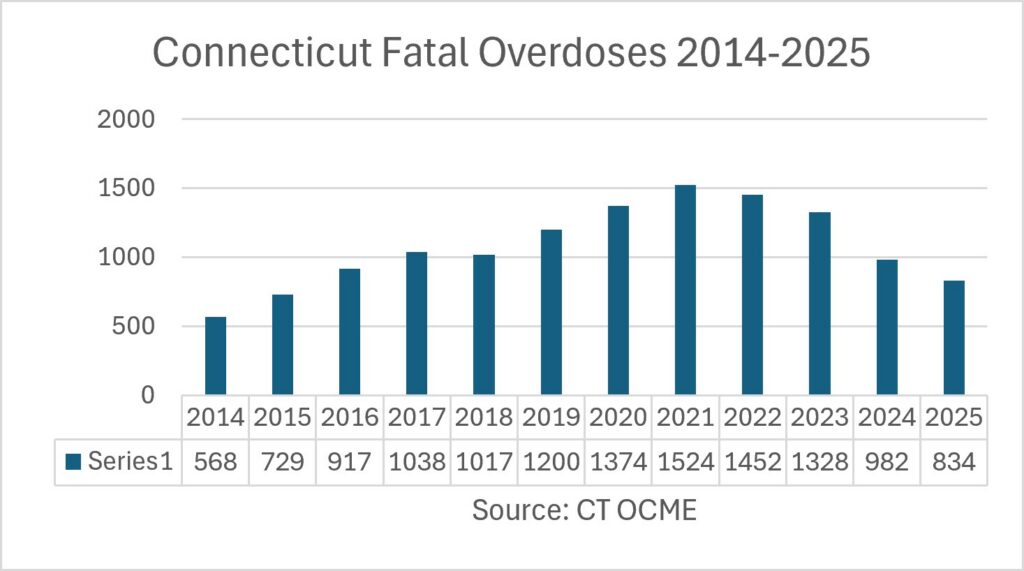
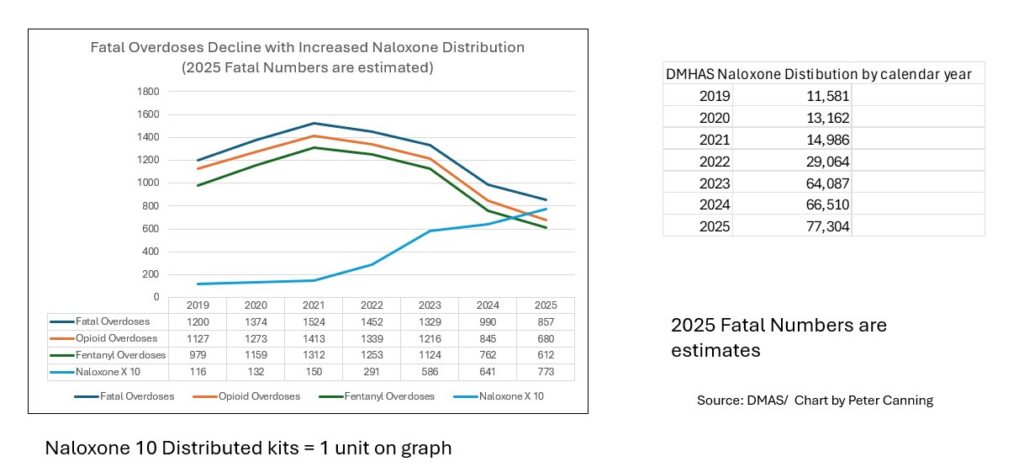
834 people lost their lives to fatal overdose in Connecticut in 2025, down from a 2021 peak of 1524, a 45% decline. Nationwide deaths are down 37% from a 2022 high.
2. The Drug Market Remains Lethal and Unpredicatable.
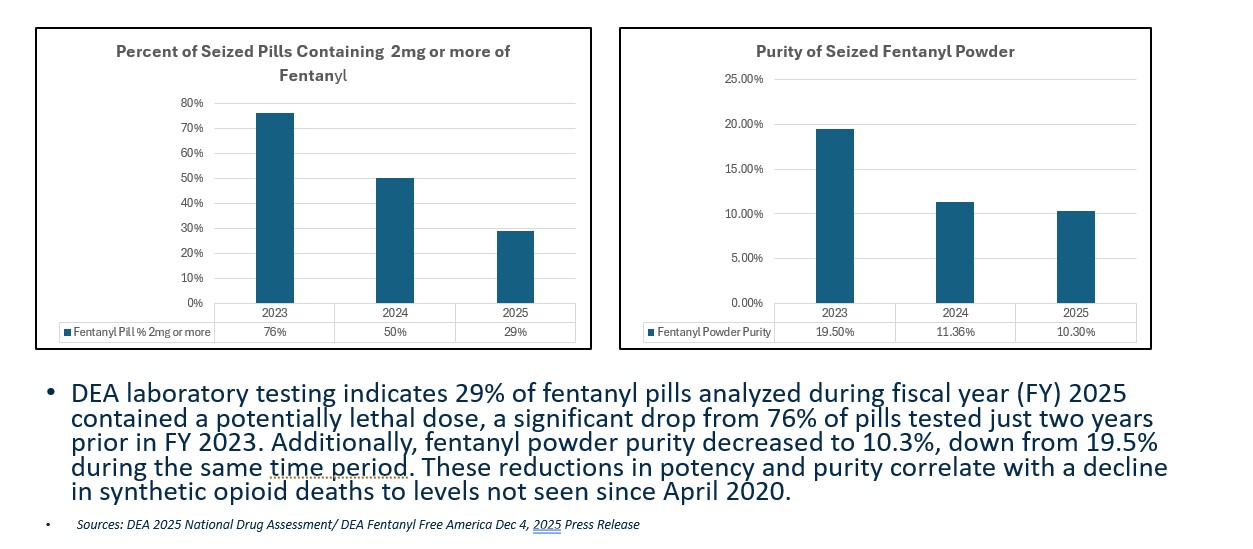
Fentanyl purity (the percentage of fentanyl found in pills and powder) has been declining since 2023. While the amount of fentanyl in a product sold on the street may be less, there is no consistency. One 0.1 gram bag of powder or one counterfeit pill may contain hardly any fentanyl at all, another may contain a lethal dose. Because the drugs are not mixed in pharmaceutical labs to a consistent standard, people can’t safely measure their doses. Additionally, while dealers have been cutting their products with animal tranquilizers like xylazine and increasingly medetomidine, these additives bring their own range of dangerous side effects. Xylazine leads to horrible necrotic wounds, medetomidine is a much stronger sedative, but its real danger comes from withdrawal independent of opioid withdrawal, a withdrawal that can land patients in ICU and can be fatal. Historically, crackdowns on particular drugs have led to stronger, more dangerous drugs. While fentanyl remains our chief concern there are worries that other synthetic opioids may replace place fentanyl. Nitazines, cyclosporines and return of carfentanil are all being monitored although none of these drugs has taken a firm hold. Carfentanil, while increasing present in seized samples, has largely only been seen in trace amounts. Fortunately, many cities have active drug checking programs to monitor the supply.
3. Naloxone Works.
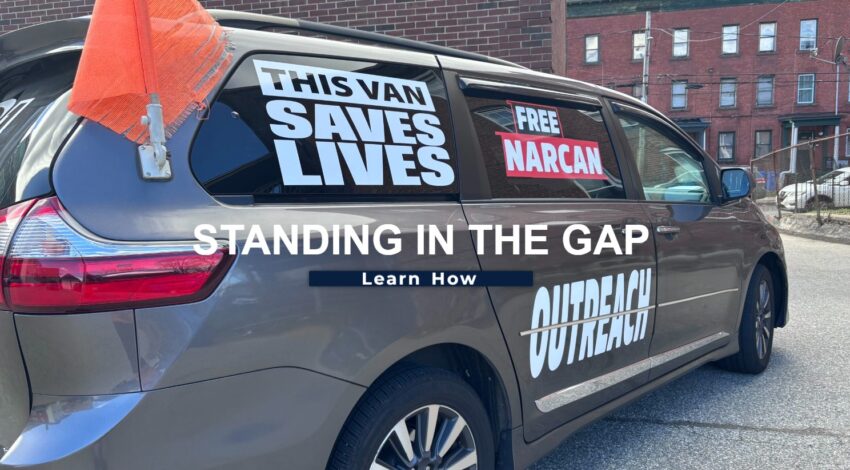
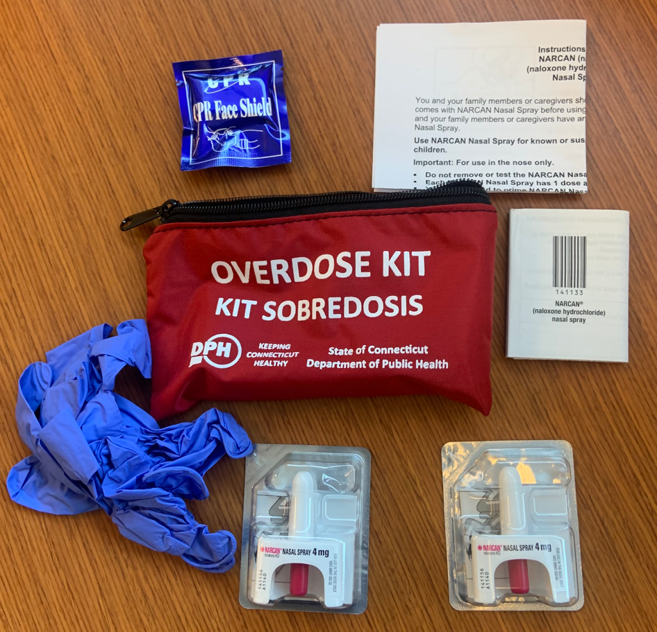
There has yet to be an opioid that does not respond to naloxone. Responders should always use naloxone to restore breathing. The combination of sedatives in the street supply may keep people from waking, the naloxone should still effective at restoring breathing. While is much speculation about the reason for declining deaths, including decreased fentanyl purity, many users switching from injecting to less dangerous smoking, treatment programs, a key reason for the decline is naloxone availability. EMS Naloxone Leave Behind Programs play an important role in getting naloxone into the hands of those who need it.
4. EMS data is being used to track the epidemic.
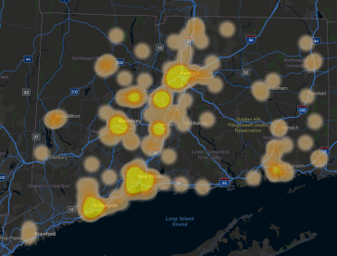
EMS data is providing insights into the epidemic that are helping public health officials combat the epidemic. This data includes mapping overdose hot spots, identifying overdose spikes, and providing demographic trends. People who are overdosing are growing older, minorities are at an increasing proportion of risk. It is important for EMS to fill their narrative with details of overdose scenes, including any packaging paraphernalia. These narratives are read and analyzed as part of the state’s overdose surveillance. EMS reports of people using crack cocaine yet suffering opioid overdoses were critical in saving lives during an outbreak several years ago.
5. Science of Addiction.
While people may chose to use drugs whether beginning with a doctor’s prescription or with experimentation, no one chooses addiction. Drug addiction is a chronic, relapsing brain disease that can be caused by a confluence of factors, from genetics to environment and mental health. It cannot be cured acutely but needs long-term monitoring. Relapse is common. Even someone who has not used opioids for years can be triggered to use again. Addiction is not a character flaw. People who use drugs should be treated with empathy.
6. Fight Stigma.
Stigma drives drug users into the shadows. 91% of those who died of overdose die using alone. Ending stigma could change the course of this epidemic. Treat patients with empathy, The Hippocratic oath says “Into whatsoever house I enter, I will enter to help the sick.”
7. Overdose Prevention/Referral to Treatment.
EMS can save lives with harm reduction (safe use advice – have naloxone available, never use alone, don’t mix opioids with benzos, utilize drug test strips, do a tester shot.) and treatment referral. Some EMS systems even offer buprenorphine to ease withdrawal, and help patients enroll in long term buprenorphine treatment, which is proven to save lives.
EMS Can make a difference.
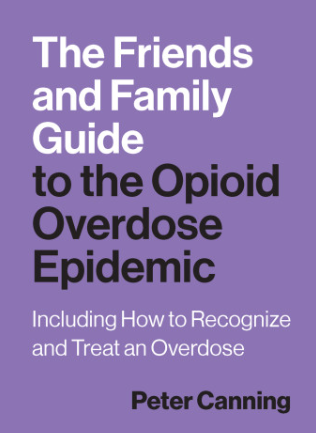
To learn more about the opioid epidemic, read my latest book, The Friends and Family Guide to the Opioid Overdose Epidemic: Including How to Recognize and Treat an Overdose.